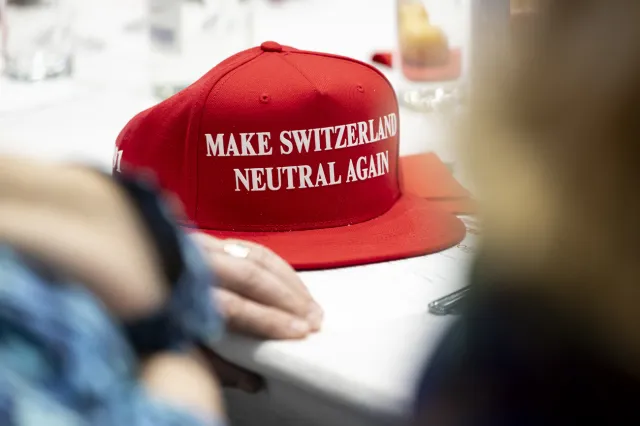
The distinction between military neutrality and foreign policy helps explain Switzerland’s place in debates about sanctions, security and European cooperation.
Switzerland’s neutrality is often reduced to a familiar phrase: staying out of other countries’ wars. In practice, the concept involves legal obligations, political choices and a long debate about how a small European state should protect its independence.
Military neutrality does not mean that a state has no position on events beyond its borders. Diplomatic statements, humanitarian work and economic decisions each raise different questions from direct participation in an armed conflict.
Law and policy are different
The law of neutrality concerns the rights and duties of a state that is not a party to an international armed conflict. A country’s neutrality policy is broader: the choices it makes to maintain the credibility and usefulness of that position.
Switzerland belongs to the United Nations but is not a member of NATO or the European Union. Its economic and political relationships with neighbouring countries nevertheless connect it closely to the rest of Europe.
A continuing argument
Arguments about neutrality frequently turn on whether a particular measure strengthens independence or weakens the ability to respond to aggression. The same word can therefore conceal different views about what Switzerland should do.
Understanding a proposal requires looking at the specific instrument involved, rather than treating neutrality as a single answer to every foreign-policy question.