Growing residential districts can put pressure on local classrooms even when national pupil totals tell a different story.
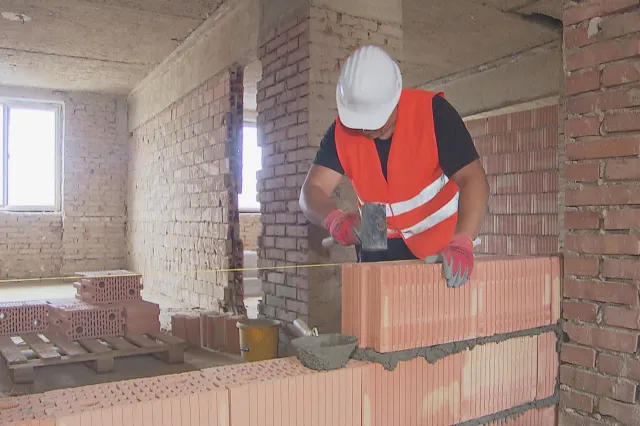
A new housing development changes more than the skyline. Families moving into an area create demand for school places, transport and other services, often before a municipality can complete a new building.
National pupil numbers do not describe that local pressure. A town losing residents and a district gaining young families can face opposite problems at the same time. The distance between an available classroom and a child’s home matters.
Buildings take longer than enrolment
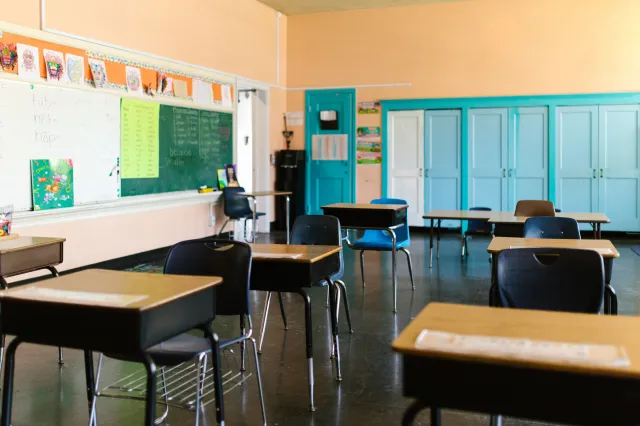
Adding a class requires more than desks. Schools need teachers, dining capacity, accessible facilities and space for children outside lessons. A temporary classroom can address an immediate shortage without resolving all of those needs.
Catchment areas help organise admissions to municipal primary schools. Their boundaries also connect school planning with decisions about housing and transport. A line on a map cannot by itself shorten a crowded journey across town.
Planning beyond one September
Population forecasts are useful but uncertain. A municipality must consider the ages of residents, homes already approved and the pace at which families actually move in. The question is how to provide capacity where children will need it, while avoiding expensive space that later stands empty.