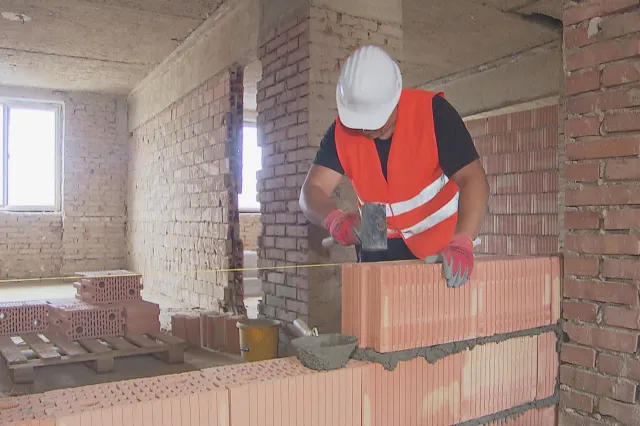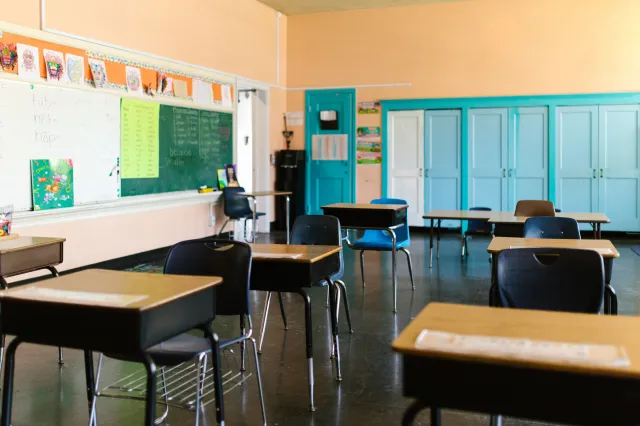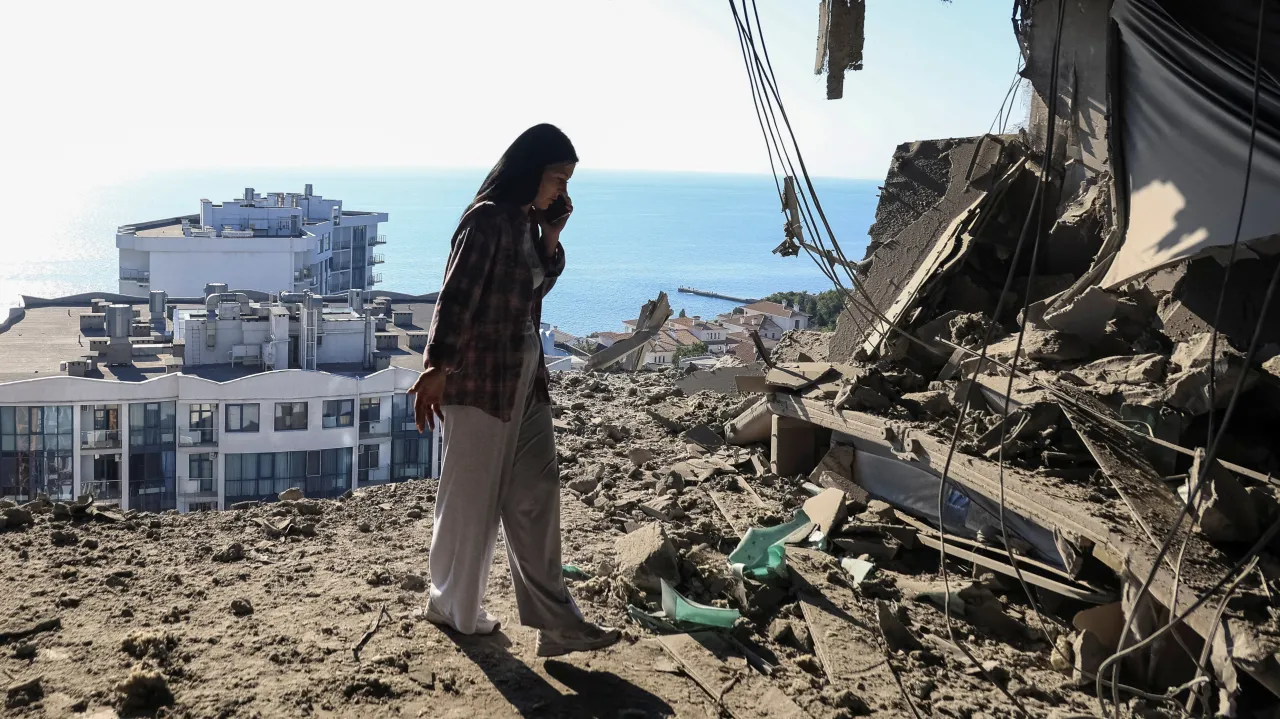
Clearance, utilities and ownership records can shape reconstruction as much as architecture. Ukraine’s damaged communities face decisions that extend far beyond replacing buildings.
A damaged apartment block is a visible loss. Less visible are the water pipes, electricity cables, ownership records and local services that make the building usable. Reconstruction requires attention to all of them.
In Ukraine, the destruction caused by Russia’s invasion has turned the question of rebuilding into a national challenge with very local consequences. A repaired home means little if residents cannot reach work, a school or medical care.
Safety before construction
Debris cannot always be treated as ordinary building waste. Structural damage, hazardous materials and unexploded ordnance can make a site dangerous. Assessing those risks is a separate task from deciding what should eventually stand there.
The status of a property also matters. People may be displaced, documents lost and ownership shared between many households. Decisions made quickly can have consequences long after the immediate emergency.
Returning services, not just floor space
Reconstruction is often discussed in terms of money and square metres. Residents experience it through the return of dependable services and familiar connections. Restoring a neighbourhood therefore involves the spaces between buildings as well as the buildings themselves.
The hardest choices concern what to preserve, what to replace and how residents can take part while many are still living elsewhere.