Intensity, soil conditions and the shape of a catchment influence how quickly water reaches a stream or a street. A daily rainfall total tells only part of the story.
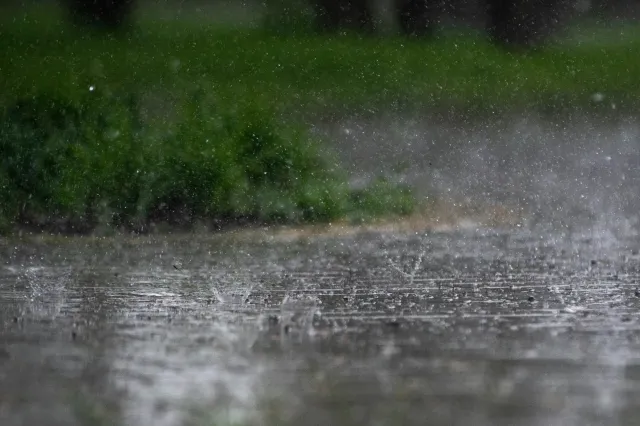
Rain falling steadily over a day does not behave like the same quantity arriving in a short downpour. The rate at which water reaches the ground can exceed the rate at which soil or drainage systems can absorb it.
What happens next depends on the landscape. Slopes, vegetation, compacted soil and paved surfaces influence whether water infiltrates, collects or runs rapidly downhill.
The ground has a history
Earlier weather matters. Soil that is already saturated has less room for additional water. Dry or compacted surfaces can also absorb rainfall poorly under some conditions. The same forecast quantity can therefore produce different local effects.
Urban drainage adds another set of constraints. Water moving from roofs and roads may reach a sewer much faster than water passing through a planted area. The timing of those flows can matter as much as their total volume.
Reading beyond the total
A useful account of a rainfall event considers intensity, duration and location together with conditions on the ground. A measurement at one station does not describe every nearby valley or neighbourhood.
That is why a map of rainfall and a map of impacts can look different. Between the cloud and the river lies a landscape with its own response.