Archaeologists use layers, materials and context to establish how a site changed. Appearance alone rarely settles the age of a structure.
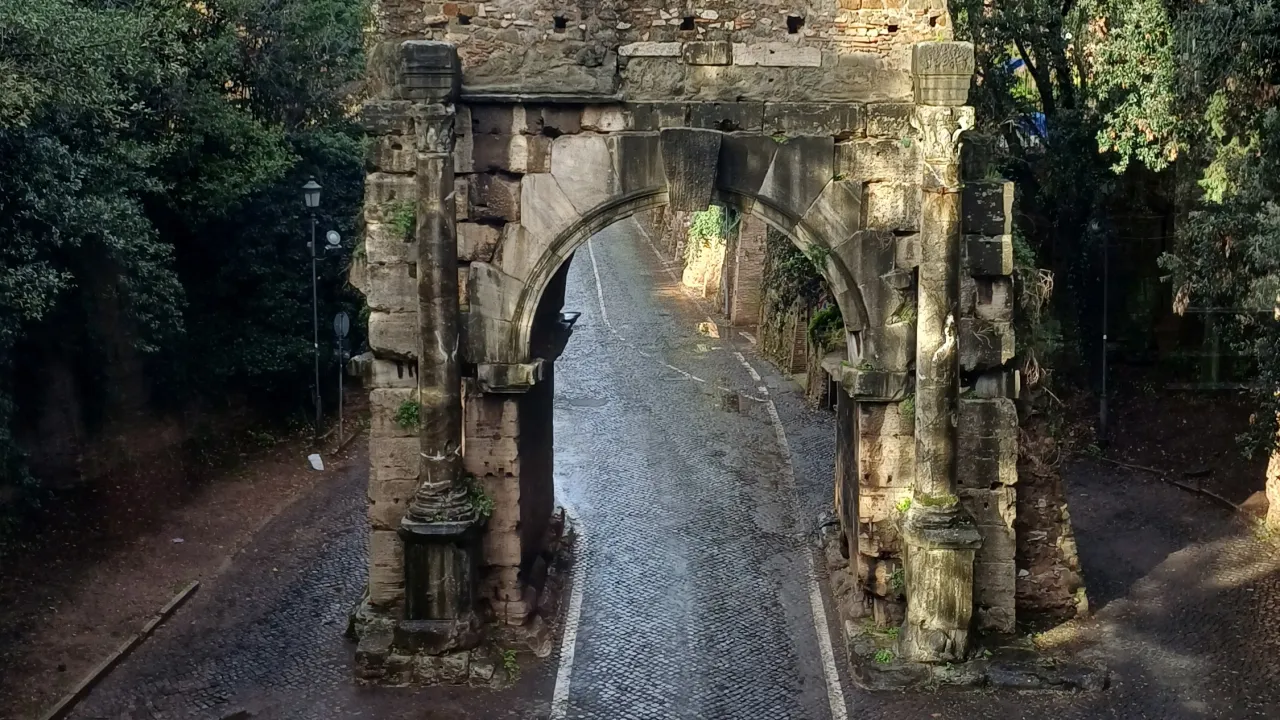
An old gateway can look like a single object, but its stones may belong to several episodes of construction and repair. Some may have been moved from an earlier building. Others may replace material that failed centuries later.
That is why archaeological interpretation depends on context. A familiar architectural shape is a clue, not a complete date. The relationship between a wall, the ground around it and objects found nearby can be more informative.
The order of events
Layers accumulate through occupation, demolition and rebuilding. Establishing which layer came before another helps reconstruct a sequence even where written records are missing.
Scientific dating can add information, but different techniques apply to different materials and questions. A date for a piece of timber is not automatically the date of every part of the structure containing it.
Evidence before a label
Public descriptions often need a short name for a complex place. Researchers must distinguish what is directly supported from what remains an interpretation. Later repairs and reuse can make a neat label misleading.
The photograph accompanying this article is an illustrative archive image. Its appearance alone is not evidence of a Roman date—a useful example of the caution that reading old stonework requires.