Sewers and treatment works are easy to overlook until something goes wrong. They connect daily household routines with the condition of the Vltava.
Prague’s wastewater system is a network that residents mostly encounter through a drain. Its destination is much larger: pipes, pumping stations and treatment facilities that manage the used water of a city.
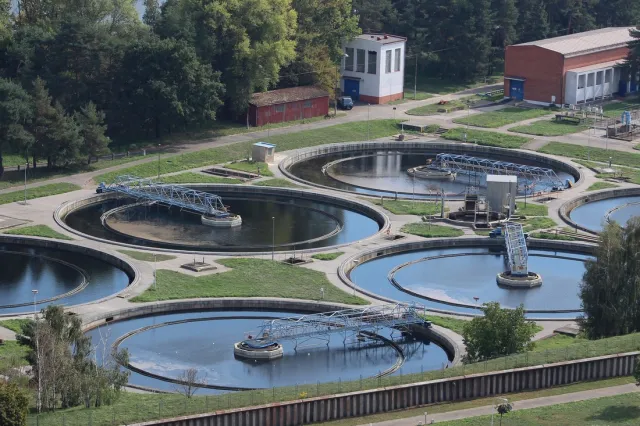
Treatment does not rely on a single filter. Different stages separate solid material, remove organic pollution and deal with nutrients before treated water returns to the environment. Maintaining that process is an everyday operation, not only an engineering project.
Rain changes the workload
In older combined sewer systems, rainwater and wastewater can share the same pipes. Heavy rain can therefore put pressure on infrastructure designed to handle a range of flows. The way streets and buildings manage runoff affects what happens underground.
Retaining water closer to where it falls can reduce that pressure. Parks, soil and carefully designed surfaces also influence how quickly rain reaches a sewer.
A connection to the river
The state of a river reflects many influences across its catchment. Urban wastewater is one important part of that picture. Improvements below ground can be less visible than a rebuilt embankment, but they change the relationship between the city and the water passing through it.