Changing how steel is made affects energy supply, raw materials and skills. The challenge extends well beyond replacing one furnace.
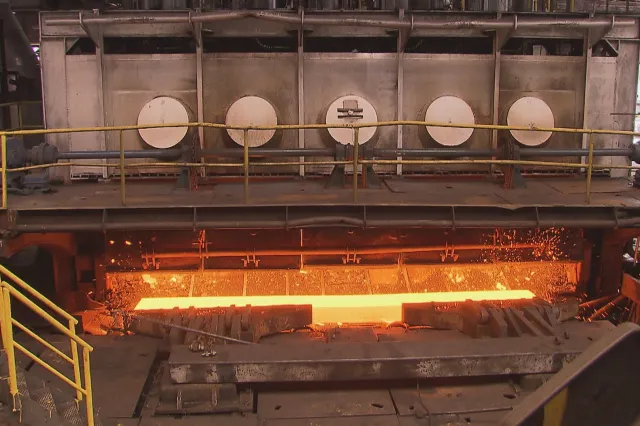
Steel can be made through different production routes. Traditional blast-furnace production uses iron ore and coke, while electric arc furnaces commonly melt scrap. That difference changes the relationship between a steelworks and its energy supply.
Shifting production is not simply a matter of choosing a new machine. The plant needs a dependable electricity connection, suitable raw materials and processes capable of meeting the requirements of its customers.
Electricity becomes an industrial input
The cost and availability of power matter when electricity supplies a larger share of the energy used in production. Grid capacity is therefore part of an industrial transition, not a separate background issue.
Scrap is also a resource with different qualities. Sorting and controlling its composition are necessary when producing steel for uses with demanding specifications. More recycling does not remove the need to understand the material entering the furnace.
The regional question
A steelworks connects suppliers, transport companies and workers with specialised skills. Changes inside the plant can spread across that network. Discussions of investment therefore involve regional employment and training as well as emissions.
The central challenge is to make the production route, energy system and supply chain work together.