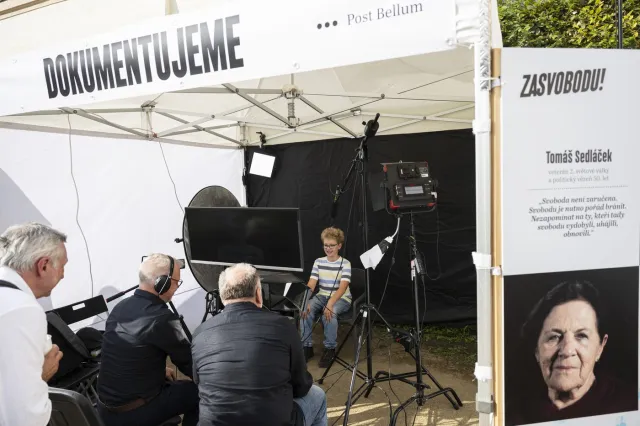
Recorded testimony preserves an individual experience. Historians place it beside documents and other accounts to understand the wider event.
A witness can describe the sound of a room, the route to work or the anxiety of waiting for news. Details like these may never appear in an official document. Oral history preserves the experience of living through an event, not only its administrative record.
Memory is also shaped by time. Later knowledge can influence the way a person describes an earlier decision. That does not make testimony worthless; it makes the circumstances of the interview part of the evidence.
Keeping the voice and the context
An interviewer needs room for the witness’s own account while establishing dates, places and connections. Recordings preserve tone and hesitation that can disappear in a short written extract.
Editing introduces further choices. A compelling passage may not represent the balance of a longer interview. Explaining what was selected helps audiences understand the relationship between the original recording and the published story.
One perspective in a larger picture
Documents, photographs and other testimonies can support or challenge an account. Differences may reveal the limits of observation or the different positions people occupied in the same event.
Preserving a personal voice and checking a historical claim are complementary tasks. Both are needed if an archive is to remain useful beyond the moment when an interview was made.